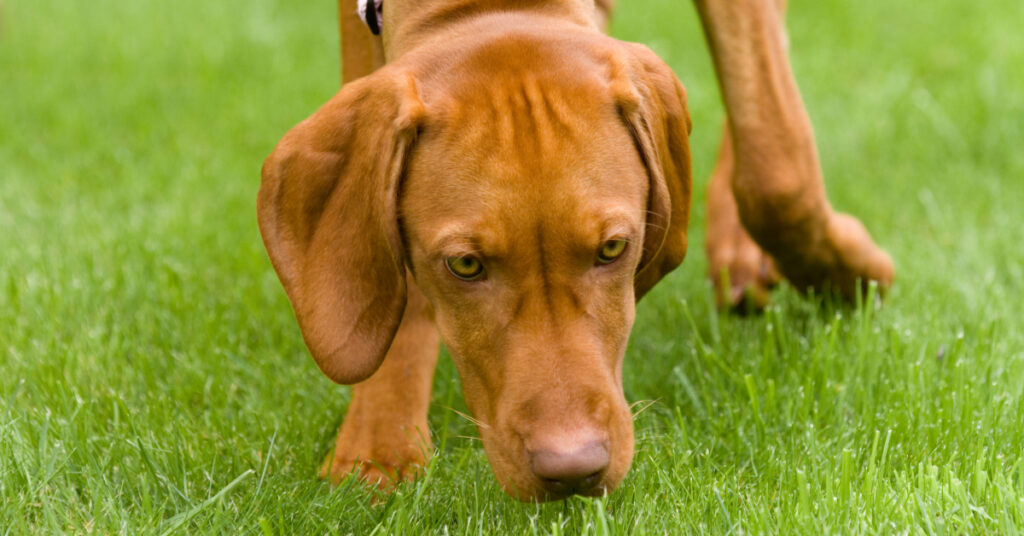
One minute your dog is trotting happily through the backyard, and the next they’ve got their nose down, methodically grazing like a tiny, confused livestock animal. You might wonder, “Why do dogs eat grass?” Dogs eat grass because it’s a natural, instinctive behavior, one observed in wild canids long before anyone had a backyard to worry about. But the reasons behind it are more nuanced than most pet owners realize, and in some cases, the behavior is worth a closer look. From ancestral instincts and dietary gaps to boredom and upset stomachs, this guide breaks down exactly what’s driving your dog to graze, when it’s harmless, and when it’s time to loop in our team at Taconic Veterinary Center in Cortlandt Manor, New York.
Is It Normal for Dogs to Eat Grass?
Yes, grass eating in dogs is considered a normal behavior. Studies show that the majority of dogs eat grass at some point, and most of them show no signs of illness before or after doing so. In fact, grass consumption has been observed in wild canids, suggesting it may be an instinctive behavior rather than a response to something going wrong. That said, “normal” doesn’t always mean harmless. Context matters, and there are situations where a dog eating grass warrants a closer look.
Why Do Dogs Eat Grass? The Most Likely Explanations
They Simply Like the Taste or Texture
One of the most straightforward answers to “Why do dogs eat grass?” is that some dogs just enjoy it. Grass has a different texture and flavor than their regular food, and curious dogs are often drawn to explore with their mouths. Young dogs especially may nibble grass out of boredom or sensory curiosity.
Dogs Eat Grass to Settle an Upset Stomach Sometimes
This is the explanation most pet owners reach for first: my dog eats grass because his stomach is bothering him. While some dogs do appear to seek out grass when they’re feeling nauseous, research suggests this is not the primary driver of grass eating in most dogs. Studies have found that fewer than 25% of dogs vomit after eating grass, and most show no signs of illness beforehand. So while grass eating and vomiting can be connected, one doesn’t necessarily cause the other.
Nutritional Factors and Dietary Fiber
Some researchers believe dogs eat grass to supplement fiber or nutrients missing from their diet. Grass contains plant matter and roughage that can support digestion. If a dog is on a low-fiber diet or has certain nutritional deficiencies, grass may fill a gap, though this theory isn’t yet conclusively proven.
Instinctive or Ancestral Behavior
Wild canids routinely consume plant material, and grass eating may simply be a holdover from ancestral behavior. Some animal behaviorists believe dogs eat grass as part of a natural pattern, unrelated to illness or nutritional need.
Boredom and Anxiety
Dogs who aren’t getting enough mental stimulation or physical activity may eat grass out of boredom. In some cases, compulsive grass eating can be linked to anxiety. If your dog is eating grass excessively or obsessively, a behavioral component may be worth exploring with your veterinarian.
Should I Be Worried If My Dog Eats Grass?
In most cases, occasional grass eating is nothing to worry about. However, there are specific situations where a dog eating grass becomes a concern:
- The grass has been treated with pesticides, herbicides, or fertilizers. These chemicals can be toxic to dogs. If you’re unsure whether the grass is treated, it’s safest to prevent access.
- Your dog is eating grass compulsively or in large amounts. This can indicate underlying anxiety, gastrointestinal distress, or a nutritional issue.
- Your dog vomits repeatedly after eating grass. Occasional vomiting after grass consumption may be normal, but repeated episodes suggest something else is going on.
- Grass eating is a new behavior in an older dog. A sudden change in behavior warrants a veterinary evaluation to rule out systemic illness.
When to Call the Vet About Your Dog Eating Grass
While grass eating in dogs is usually benign, it becomes a reason to contact Taconic Veterinary Center if:
- Your dog is vomiting frequently after eating grass
- You notice signs of gastrointestinal distress like bloating, diarrhea, loss of appetite, or lethargy
- Your dog is eating grass obsessively and can’t seem to stop
- Grass eating began suddenly in a dog who has never done it before
- You suspect the grass may have been treated with toxic chemicals
The veterinarians at Taconic Veterinary Center can help determine whether your dog’s grass eating is a harmless quirk or a symptom worth investigating.
What Can You Do About a Dog Who Eats Grass?
If you’d rather your dog not eat grass, there are a few practical steps to consider:
- Ensure your dog is getting adequate dietary fiber. Talk to your vet about whether a diet change may help
- Provide more mental and physical enrichment, especially if boredom may be a factor
- Redirect your dog’s attention during walks with toys, training cues, or treats
- Keep your lawn free of chemical treatments to protect your dog if they do graze
It’s worth noting that completely eliminating grass eating is rarely necessary unless it’s causing a health problem. The goal is to understand the behavior in context.
Does Eating Grass Mean My Dog Has a Nutritional Deficiency?
This is a common concern, but the evidence is limited. While some dogs may eat grass to compensate for low dietary fiber, grass eating alone is not a reliable indicator of nutritional deficiency. If you’re concerned about your dog’s diet, a nutritional consultation with our team at Taconic Veterinary Center is a much better starting point than drawing conclusions from grass-eating behavior alone. A complete physical exam and wellness bloodwork can help identify whether any underlying nutritional or health factors are contributing to the behavior.
Understanding Your Dog’s Quirks
Dogs are complex, curious animals, and behaviors like eating grass are a reminder that they don’t always fit neatly into our expectations. Most of the time, a dog eating grass is harmless, but staying observant, keeping up with regular wellness care, and reaching out when something seems off are the best things you can do as a pet owner. Our team at Taconic Veterinary Center in Cortlandt Manor is always here to help you make sense of your dog’s behavior and keep them healthy. Call (914) 737-2437 or book an appointment online.