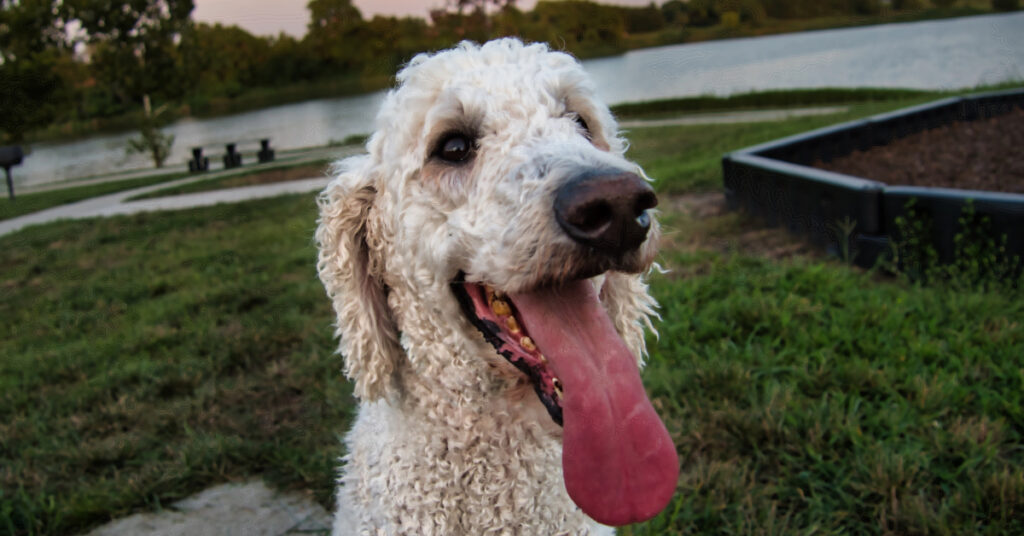
It’s 11 p.m., the house is cool and quiet, and your dog is panting like they just finished a 5K. Excessive dog panting, especially when it happens at rest, at night, or without an obvious trigger like heat or exercise, is one of the most common signs that something may be off. The causes range from anxiety and pain to serious conditions like Cushing’s disease, heart disease, and respiratory problems, which means the context around the panting matters just as much as the panting itself. Whether your dog has always been a heavy breather or this is something new, this guide will help you understand what’s normal, what isn’t, and when a call to Taconic Veterinary Center in Cortlandt Manor, New York should be your next move.
Is Dog Panting Normal?
Yes, panting is a natural, healthy behavior. Unlike humans, dogs don’t sweat through their skin (except minimally through their paw pads). Instead, they cool themselves by panting, which allows moisture to evaporate from the tongue and respiratory tract. After exercise, in warm weather, or when excited, heavy dog panting is completely expected.
The concern arises when panting happens out of context: at rest, in a cool environment, at night, or alongside behavioral or physical changes. That’s when excessive panting in dogs deserves a closer look.
Common Reasons Why Dogs Pant
Heat and Exercise
The most common reason for heavy dog panting is heat or physical exertion. When a dog is warm or has been active, panting is their primary cooling mechanism. This type of panting should resolve once the dog has rested in a cool, comfortable environment.
Stress and Anxiety
Dogs pant when they’re anxious, fearful, or stressed. Common triggers include thunderstorms, fireworks, car rides, veterinary visits, or changes in the household. Anxiety-related panting in dogs is often accompanied by restlessness, pacing, yawning, or whale-eye (showing the whites of the eyes). If your dog pants regularly in response to specific triggers, it’s worth discussing behavioral strategies or anxiety management with your veterinarian.
Pain and Discomfort
Panting can be a dog’s way of expressing pain. A dog with arthritis, an injury, an internal condition, or post-surgical discomfort may pant more than usual. This type of excessive dog panting is easy to overlook because there’s no obvious visible source of pain, which is why context and behavioral changes matter.
Medications and Medical Treatments
Certain medications, particularly corticosteroids (like prednisone), can cause increased panting in dogs as a side effect. If your dog recently started a new medication and their panting has increased, contact Taconic Veterinary Center to discuss whether a dosage adjustment or alternative is appropriate.
Obesity
Overweight dogs pant more easily than dogs at a healthy weight because carrying excess body mass increases the physical demand of movement and makes temperature regulation harder. If your dog is panting heavily during activities that used to be effortless, weight may be a contributing factor.
When Is Dog Panting a Sign of Something Serious?
Several medical conditions can cause excessive panting in dogs that warrants prompt veterinary attention.
Heatstroke
Heatstroke in dogs is a medical emergency. If a dog has been exposed to excessive heat and is panting heavily alongside symptoms like drooling, vomiting, bright red gums, confusion, or collapse, get to Taconic Veterinary Center immediately. Heatstroke can cause organ failure and death if not treated quickly.
Respiratory Problems
Excessive panting in dogs can be caused by conditions that affect the lungs or airway including pneumonia, laryngeal paralysis, brachycephalic obstructive airway syndrome (common in flat-faced breeds like Bulldogs and Pugs), and lung tumors. These conditions interfere with the dog’s ability to breathe and oxygenate normally, making panting both more frequent and less effective.
Heart Disease
Dogs with heart disease may pant excessively because the heart is less efficient at pumping oxygenated blood. This can cause respiratory difficulty and exercise intolerance that shows up as heavy panting even during minor activity or at rest.
Cushing’s Disease (Hyperadrenocorticism)
Cushing’s disease is one of the most commonly overlooked causes of excessive panting in dogs. This endocrine disorder, caused by chronically elevated cortisol levels, frequently presents with increased panting, increased thirst and urination, a pot-bellied appearance, and hair loss. It is most common in middle-aged to older dogs. Our veterinary team at Taconic Veterinary Center can test for Cushing’s disease if it’s suspected.
Anemia
A dog with anemia doesn’t have enough red blood cells to transport oxygen efficiently. Panting can result as the body tries to compensate by increasing respiratory effort. Anemia in dogs has many potential causes, from parasites and toxins to immune-mediated disease and cancer.
Signs That Excessive Dog Panting Requires Veterinary Attention
Contact Taconic Veterinary Center if your dog is panting and any of the following apply:
- Panting is occurring at rest or in a cool, calm environment
- Panting is new, sudden, or has changed in character
- There is no obvious cause like heat or exercise
- Panting is accompanied by lethargy, weakness, or behavioral changes
- Your dog’s gums appear pale, white, blue, or bright red
- Your dog is coughing, struggling to breathe, or seems distressed
- Panting is worse at night or during sleep
How Vets Evaluate Excessive Panting in Dogs
At Taconic Veterinary Center, diagnosing the cause of excessive dog panting begins with a complete physical exam and a review of your dog’s history, medications, and recent activities. Depending on the findings, diagnostics may include:
- Blood panel and urinalysis to assess organ function and screen for systemic disease
- Chest X-rays to evaluate the heart and lungs
- Cardiac evaluation if heart disease is suspected
- Hormonal testing for Cushing’s disease or thyroid dysfunction
- Blood pressure measurement
Getting an accurate diagnosis is essential because the treatment for anxiety-related panting looks very different from the treatment for heart disease or Cushing’s.
Helping a Dog Who Pants Excessively
Management of excessive panting in dogs depends entirely on the underlying cause. General supportive measures such as ensuring adequate hydration, providing a cool environment, limiting strenuous activity during hot weather, and monitoring for changes are always appropriate while awaiting a diagnosis. But they don’t replace veterinary evaluation when the cause is unclear or symptoms are escalating.
Your Dog’s Breathing Deserves Attention
Occasional heavy panting is part of being a dog. But persistent, unexplained, or worsening dog panting is your pet’s way of telling you something is off. Our veterinary team at Taconic Veterinary Center in Cortlandt Manor is here to help you get to the bottom of it and to make sure your dog is as comfortable and healthy as possible. Give us a call at (914) 737-2437 or book an appointment online today.