
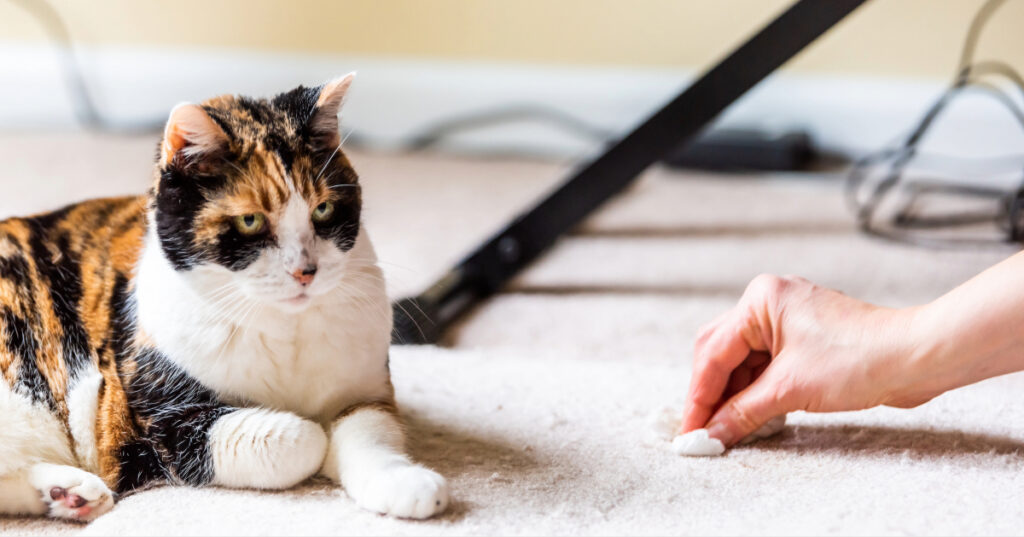
You’re stepping over something warm and mysterious on your way to the coffee maker and your cat is sitting three feet away, completely unbothered. Sound familiar? Cat vomiting is one of those experiences that comes with the territory of cat ownership, but “common” doesn’t mean you should always shrug it off. Some causes are genuinely nothing to worry about; others are early signs of conditions that get much harder to treat the longer they go unaddressed. Read on to find out what’s really behind your cat’s vomiting, how to read the clues your cat is leaving you, and exactly when it’s time to call Taconic Veterinary Center in Cortlandt Manor, New York.
Is It Normal for Cats to Vomit?
Cats vomit more readily than most other pets, which can make it tricky to know when to worry. A cat vomiting once in a while, say, once or twice a month, may simply be a quirk of your cat’s digestive system. But when cat vomiting becomes frequent, contains blood, or is accompanied by other symptoms, it’s time to take action.
Acute vs. Chronic Cat Vomiting
Veterinarians generally distinguish between two types of cat vomiting:
- Acute vomiting happens suddenly and is usually short-lived, often resolving within 24 to 48 hours.
- Chronic vomiting occurs repeatedly over weeks or months and is more likely to signal an underlying health condition.
Both types deserve attention, but chronic vomiting in cats always warrants a veterinary exam.
7 Causes of Cat Vomiting
Hairballs
Hairballs are among the most frequent causes of cat vomiting. As cats groom themselves, they swallow loose fur that sometimes accumulates in the stomach and gets expelled through vomiting. While an occasional hairball is normal, frequent hairball-related vomiting could indicate a grooming disorder or digestive issue.
Eating Too Fast
Some cats eat so quickly that their stomach can’t keep up. This type of cat vomiting typically happens right after a meal and produces undigested food. Puzzle feeders or slow-feed bowls can help, but talk to your vet before making changes.
Dietary Indiscretion or Food Sensitivity
Cats who eat something that doesn’t agree with them including spoiled food, a new diet introduced too quickly, or a food they’re sensitive to may vomit as a result. Food allergies and intolerances are a recognized cause of chronic vomiting in cats.
Gastrointestinal Disease
Conditions like inflammatory bowel disease (IBD), gastroenteritis, and intestinal obstruction are significant causes of cat vomiting. IBD in particular is one of the leading causes of chronic vomiting in middle-aged and senior cats.
Parasites
Intestinal parasites, including roundworms and tapeworms, can trigger vomiting in cats. Kittens and outdoor cats are especially vulnerable. Regular deworming and fecal exams are the best prevention.
Kidney Disease and Other Systemic Illness
Kidney disease, hyperthyroidism, liver disease, and diabetes are all systemic conditions that can cause a cat to vomit. These conditions are more common in older cats, which is why senior wellness exams at Taconic Veterinary Center are so important.
Toxin Ingestion
If your cat has gotten into a toxic plant, household chemical, or medication, vomiting is often one of the first signs. This is a medical emergency. Contact your vet or an animal poison control hotline immediately.
What Does It Mean When a Cat Vomits Different Colors?
The appearance of your cat’s vomit can offer useful clues:
- Yellow or green vomit often contains bile and may indicate your cat is vomiting on an empty stomach.
- White or foamy vomit can be a sign of acid reflux or an upset stomach.
- Brown vomit may suggest digested blood or intestinal content and should be evaluated promptly.
- Vomit with blood (bright red or dark brown, coffee-ground texture) requires immediate veterinary attention.
When Should I Take My Cat to the Vet for Vomiting?
While not every episode requires an emergency visit, certain signs should prompt a same-day call to Taconic Veterinary Center.
Signs That Cat Vomiting Is an Emergency
Seek immediate care if your cat is:
- Vomiting more than two or three times in a 24-hour period
- Showing blood in the vomit
- Lethargic, weak, or unresponsive
- Showing signs of abdominal pain or bloating
- Unable to keep water down
- Vomiting alongside diarrhea, which increases the risk of dehydration
When to Schedule a Vet Appointment
If your cat vomits occasionally but seems otherwise healthy, monitor the situation closely. Schedule a veterinary exam if:
- Vomiting occurs more than once or twice a week
- Your cat has lost weight
- You notice changes in appetite, thirst, or litter box habits
- Vomiting has persisted for more than a week
How Do Vets Diagnose the Cause of Cat Vomiting?
At Taconic Veterinary Center, diagnosing the cause of cat vomiting typically begins with a thorough physical exam and a detailed history of your cat’s diet, environment, and symptoms. Depending on what the vet finds, diagnostics may include:
- Blood and urine tests to check organ function and look for signs of systemic disease
- Fecal analysis to rule out parasites
- X-rays or ultrasound to evaluate the gastrointestinal tract and look for obstructions or masses
- Endoscopy or biopsy for cases of suspected IBD or gastrointestinal cancer
Early diagnosis leads to better outcomes, which is why it’s always worth getting persistent cat vomiting evaluated rather than hoping it resolves on its own.
What You Can Do to Prevent Cat Vomiting
While you can’t prevent every episode of cat vomiting, there are steps that support your cat’s digestive health:
- Feed a high-quality, species-appropriate diet and transition to new foods gradually over 7 to 10 days
- Keep up with regular parasite prevention and wellness exams
- Ensure your cat has access to fresh water at all times
- Remove toxic plants, small objects, and hazardous household items from your cat’s environment
Your veterinarian at Taconic Veterinary Center can help you tailor a prevention plan based on your individual cat’s needs.
Give Your Cat the Answers They Deserve
Cat vomiting is too common to ignore and too variable to diagnose on your own. Whether your cat has been vomiting for a few days or a few months, our team at Taconic Veterinary Center is here to help. Call us at (914) 737-2437 or book an appointment online. Your cat’s comfort is always worth the conversation.