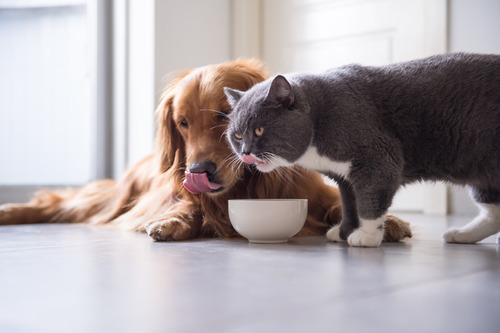
If your cat ate dog food, don’t panic! Occasional nibbles aren’t typically harmful. However, cats and dogs have very different nutritional needs, and long-term consumption of dog food can lead to health issues for cats. Dog food lacks the essential nutrients cats require, such as taurine, arachidonic acid, and sufficient protein. If your cat eats dog food regularly or in large amounts, it’s best to consult your veterinarian to rule out nutritional imbalances or digestive upset.
Why Cats Shouldn’t Eat Dog Food
Cats are obligate carnivores, which means they require a diet made up almost entirely of animal-based proteins and nutrients. Dogs, on the other hand, are omnivores and can thrive on a more varied diet that includes grains, vegetables, and meat. When your cat eats dog food, they miss out on several nutrients that are essential to feline health.
The Nutritional Differences Between Cat and Dog Food
Dog food is formulated for a dog’s metabolism and energy needs. It generally contains less protein, fewer essential amino acids, and different vitamin levels than cat food. Cats depend on specific nutrients that dogs can produce naturally, including:
- Taurine: Vital for heart, eye, and muscle health in cats.
- Arachidonic acid: A fatty acid necessary for skin, coat, and reproductive health.
- Vitamin A: Cats cannot convert beta-carotene into vitamin A like dogs can.
- High protein levels: Cats need more protein to maintain muscle mass and organ function.
Without these nutrients, cats can experience long-term health problems such as poor coat quality, lethargy, or even heart disease.
What Happens When a Cat Eats Dog Food
When your cat eats dog food, the effects depend on how much they ate and how often it happens. A few bites are unlikely to cause harm, but a full meal or repeated meals can lead to digestive upset and nutritional deficiency over time.
Short-Term Reactions
If your cat samples a small amount of dog food, you might notice mild symptoms such as:
- Temporary stomach upset
- Vomiting or soft stool
- Decreased appetite for a short period
These symptoms usually resolve quickly, but if they persist, contact your veterinarian at Taconic Veterinary Center in Cortlandt Manor, NY for guidance.
Long-Term Effects of Eating Dog Food
Regular consumption of dog food can result in more serious issues because cats aren’t receiving adequate nutrition. Over time, this can cause:
- Taurine deficiency, leading to heart or vision problems
- Weight loss or poor muscle tone
- Dry, dull coat or skin irritation
- Weak immune system due to vitamin and mineral imbalance
Even premium dog foods don’t meet feline dietary needs, so a cat’s diet should always be formulated specifically for cats.
Why Cats Are Drawn to Dog Food
It’s common for pet owners to wonder why their cat ate dog food in the first place. The reason often comes down to curiosity or convenience.
The Appeal of Dog Food
Dog food can smell or taste interesting to cats because of its fat content and meaty aroma. Some cats may also see their dog’s food as something “new” or “off-limits,” making it even more tempting.
Feeding Habits and Environment
If your pets share feeding areas, your cat may sneak bites from the dog’s bowl simply because it’s accessible. Busy households or open feeding setups make it easier for cats to investigate other food sources. To prevent this, feed your cat and dog in separate areas and remove uneaten food after mealtime.
How to Respond if Your Cat Eats Dog Food
If you discover that your cat ate dog food, take a calm and measured approach. Most cases don’t require an emergency vet visit, but observation and prevention are key.
- Observe Your Cat: Monitor your cat for any changes in behavior, appetite, or litter box habits. Occasional digestive upset can occur, but it should be short-lived.
- Offer Fresh Water and Their Regular Food: Make sure your cat has access to plenty of fresh water and their usual cat food. This helps restore normal digestion and encourages them to eat their proper diet.
- Prevent Access to Dog Food: If your cat frequently eats from the dog’s bowl, establish separate feeding zones. Feed pets at the same time but in different rooms, and store food in sealed containers to avoid temptation.
- Contact Your Veterinarian if Necessary: If your cat shows signs of vomiting, diarrhea, or lethargy after eating dog food or if it becomes a recurring habit, contact Taconic Veterinary Center at (914) 737-2437 or book an appointment online. Your veterinarian can check for any nutritional issues or underlying conditions that might explain their interest in the dog’s food.
The Importance of Feeding Cats a Balanced Diet
Feeding your cat the right diet is essential for their long-term health and energy. Cat food is designed to meet every one of your feline’s nutritional needs, from protein and fat to specific amino acids and vitamins.
What Makes Cat Food Different
High-quality cat foods contain meat or fish as the primary ingredient, along with added taurine, vitamin A, and the proper balance of fatty acids. They’re formulated to support energy, muscle maintenance, and organ health throughout every life stage.
Choosing the Right Cat Food
When selecting cat food, look for:
- A named animal protein (like chicken, salmon, or turkey) as the first ingredient
- Formulas appropriate for your cat’s age and activity level
- AAFCO (Association of American Feed Control Officials) nutritional adequacy statements
Avoid sharing dog food, human food, or treats that aren’t made for cats. This helps maintain a balanced diet and reduces the risk of digestive upset.
Preventing Food Mix-Ups in Multi-Pet Homes
If you share your home with both cats and dogs, managing feeding routines can be a challenge. Keeping meals separate helps ensure every pet gets the right nutrition.
Create Individual Feeding Zones
Feed cats and dogs in different rooms or on different levels of the home. Cats often prefer eating in quiet, elevated spaces where they feel secure.
Supervise Mealtimes
Stay nearby during feeding, especially if your cat tends to wander to your dog’s bowl. Once your pets finish eating, pick up any leftovers.
Store Pet Food Properly
Use sealed containers to prevent curious noses from finding open bags. Label containers clearly to avoid confusion during busy mornings or shared household routines.
When to Call Your Cortlandt Manor Veterinarian
If your cat ate dog food and shows any signs of discomfort, your veterinary team can help determine whether an examination is needed. Symptoms that warrant attention include:
- Repeated vomiting or diarrhea
- Refusal to eat for more than 24 hours
- Lethargy or unusual behavior
- Weight loss or visible weakness
Taconic Veterinary Center’s experienced team in Cortlandt Manor, NY can assess your cat’s condition, perform necessary diagnostics, and recommend a nutrition plan tailored to their needs. Call (914) 737-2437 or book an appointment online to schedule a visit today.
Helping Your Cat Stay Happy and Healthy
Feeding your cat a balanced, species-appropriate diet is one of the best ways to support their lifelong health. While it’s not uncommon for a curious cat to sneak a few bites of dog food, their primary nutrition should always come from food made specifically for cats. If your cat ate dog food recently or you have questions about your pet’s diet, the team at Taconic Veterinary Center is here to help. Our veterinary professionals can recommend safe, nutritious meal plans that keep your cat healthy, energetic, and thriving for years to come. Call us at (914) 737-2437 or schedule an appointment online today!