
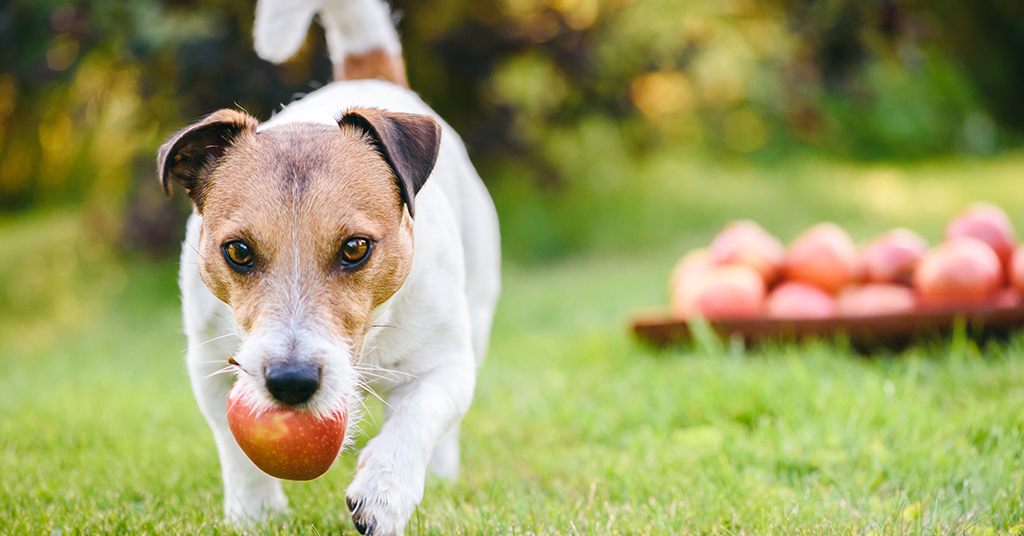
Can dogs eat apples? Yes, and most dogs enjoy them as a crunchy, low-calorie treat when the fruit is sliced and the core, stem, and seeds are removed. The flesh and skin are safe for healthy dogs in moderation, but the seeds and core carry real risks that every pet owner should understand. Like any treat, apples work best as a small addition to a complete and balanced diet rather than a replacement for it.
Fall in the Hudson Valley means orchard visits, fresh cider, and bowls of apples on the kitchen counter, so it’s no surprise that the veterinary team at Taconic Veterinary Center in Cortlandt Manor, NY, hears this question often. In this guide, we cover what makes apples a smart snack, which parts to avoid, how much is appropriate, and which other fruits deserve a spot in your dog’s treat rotation.
Can Dogs Eat Apples Safely?
Apple flesh is one of the safer fruits you can share with your dog, as long as you prepare it properly and offer it in small amounts.
What Apples Offer Your Dog
Apples bring a surprising amount of nutrition in a sweet, satisfying package. A few key benefits include:
- Dietary fiber, which supports regular digestion and helps dogs feel full
- Vitamin C, an antioxidant that supports overall cellular health
- Vitamin A, which plays a role in vision, skin, and coat health
- Low fat and low protein content, making apples a useful option for some dogs on restricted diets
- A crisp texture that many dogs find more exciting than processed biscuits
A Smarter Alternative to Processed Treats
Many commercial dog treats are high in calories, fat, and additives. Swapping a few of those for apple slices can help dogs who need to slim down while still giving them something to look forward to. The crunchy texture may also provide mild chewing stimulation, though apples are not a substitute for professional dental care or daily tooth brushing. If your dog is on a prescription diet or has a medical condition, check with your veterinarian before adding any new food, even a healthy one.
Can Puppies and Senior Dogs Eat Apples?
Many owners wonder whether puppies and older pets fall under the same rules. In general, the answer to “can dogs eat apples” stays the same across life stages, but preparation matters more. Puppies have small mouths and developing digestive systems, so tiny, thin pieces work best. Senior dogs with dental disease or missing teeth may find raw apple too firm, and softer pieces can be easier to manage. Dogs with kidney, liver, or digestive conditions may need individualized guidance from their veterinary team.
What Are the Risks of Feeding Apples to Dogs?
Apples are not entirely risk-free, and most problems come from the parts of the fruit people don’t usually think about.
The Truth About Apple Seeds
Apple seeds contain a compound called amygdalin, which can release cyanide when the seeds are crushed or chewed. A dog who swallows one or two seeds by accident is unlikely to experience problems, but seeds can add up over time, especially in small dogs. The simplest approach is to remove every seed before sharing. If your dog eats a large number of seeds or an entire apple core, call your veterinarian or the ASPCA Animal Poison Control Center at (888) 426-4435 for guidance.
Cores, Stems, and Choking Hazards
The tough, fibrous core is difficult to digest and can pose a choking risk or even cause an intestinal blockage, particularly in small breeds or dogs who gulp their food. Stems present a similar hazard. Whole apples are also risky because enthusiastic eaters may try to swallow large chunks.
Is Apple Skin Safe for Dogs?
Apple skin is safe for most dogs and actually contains much of the fruit’s fiber. Washing apples thoroughly helps remove pesticide residue. Dogs with sensitive stomachs may digest peeled apples more comfortably.
Sugar and Digestive Upset
Apples contain natural sugar, so they may not suit dogs with diabetes or weight concerns. Eating too much at once can also cause gas, loose stools, or an upset stomach. Rotten or fermented apples that have fallen from backyard trees deserve extra caution, since they can upset the digestive tract.
How Many Apples Can Dogs Eat, and How Should You Serve Them?
Portion size and preparation make the biggest difference in whether apples remain a healthy treat or become a problem.
Finding the Right Portion
Most veterinarians follow the general guideline that treats, including fruit, should make up no more than 10 percent of your dog’s daily calories. For a small dog, that might mean one or two thin slices. A large breed can usually handle a few more. Because every dog’s caloric needs differ based on age, size, activity level, and health, your veterinarian can help you determine an appropriate amount. Introduce apples gradually and watch for any changes in digestion.
Can Dogs Eat Apples Every Day?
A few slices of apple each day are fine for many healthy dogs, as long as the total stays within their daily treat allowance. Daily apples should not crowd out the complete, balanced dog food that provides the protein, fats, vitamins, and minerals your pet needs. Rotating apples with other safe treats adds variety and lowers the chance of digestive upset from eating too much of one food.
Safe Ways to Prepare Apples
Start by washing the apple, then remove the core, stem, and every seed. Cut the flesh into bite-sized slices or cubes that suit your dog’s size. Many dogs also love frozen apple pieces as a cooling snack on warm days. Avoid apple products made for people, such as applesauce with added sugar, apple pie, caramel apples, or anything containing cinnamon blends, nutmeg, or the sweetener xylitol, which is toxic to dogs. Plain, fresh fruit is always the safest choice when you’re wondering whether dogs can eat apples prepared a certain way.
What Other Fruits Can Dogs Eat?
Once you know the answer to “can dogs eat apples,” it’s natural to wonder about the rest of the fruit bowl. Several other fruits can add variety to your dog’s treat routine when served in moderation and prepared correctly, while a few should stay off the menu entirely.
Dog-Friendly Fruit Options
These fruits are generally considered safe for healthy dogs when seeds, pits, rinds, and peels are handled appropriately:
- Blueberries, which are small, antioxidant-rich, and easy to portion
- Bananas, offered sparingly because of their higher sugar content
- Seedless watermelon without the rind
- Strawberries, sliced to reduce choking risk
- Cantaloupe, with the rind and seeds removed
- Pears, prepared the same way as apples, without the core or seeds
Fruits to Keep Away From Your Dog
Some fruits are dangerous and should never be shared. Grapes and raisins can cause sudden kidney failure in dogs, even in small amounts. Cherries, plums, peaches, and apricots have pits that contain cyanide compounds and pose choking and blockage risks. Avocado contains a substance called persin and has a large pit that can obstruct the digestive tract. Citrus peels and large amounts of citrus fruit often cause stomach upset. When in doubt, ask your veterinarian before offering any unfamiliar food.
Personalized Nutrition Guidance From Taconic Veterinary Center
So, can dogs eat apples? Absolutely, as long as you skip the seeds and core, keep portions small, and choose plain fresh fruit over sweetened apple products. Treats like these can be a fun and wholesome part of your dog’s day when they fit into an overall balanced diet. If your dog accidentally eats a core or a handful of seeds, a quick call to your veterinarian is the safest next step.
Every dog has unique nutritional needs, and the veterinarians at Taconic Veterinary Center are happy to help you build a feeding plan that supports your pup’s health at every life stage. Whether you have questions about safe treats, weight management, food allergies, or a snack your dog wasn’t supposed to eat, our Cortlandt Manor team is just a phone call away. Reach us at (914) 737-2437 to schedule a nutrition consultation or wellness visit for your dog.