If you’ve noticed an unpleasant odor when your dog yawns or gives kisses, you’re not alone. Bad breath in dogs, also known as halitosis, is a common issue that often points to underlying dental or health concerns. While it may seem harmless, persistent bad breath in dogs is usually caused by bacteria buildup, gum disease, or other medical conditions that require veterinary attention. Addressing the cause early helps prevent discomfort and more serious health problems later on. At Taconic Veterinary Center in Cortlandt Manor, NY, our team provides complete dental care to identify and treat the source of bad breath so your pet can enjoy a healthier mouth and you can enjoy their company without the smell.
What Causes Bad Breath in Dogs?
Bad breath in dogs can have many causes, ranging from mild plaque buildup to advanced dental disease or even systemic illness. Understanding what’s behind the odor can help your veterinarian determine the best approach to care.
Plaque and Tartar Buildup
The most common reason for bad breath in dogs is the accumulation of plaque and tartar on their teeth. After eating, bacteria feed on leftover food particles, forming sticky plaque that hardens into tartar. Over time, this leads to inflammation, infection, and unpleasant odors. Small breeds and dogs with crowded teeth are especially prone to plaque buildup. Without professional cleanings, bacteria continue to multiply, worsening the smell and damaging gum tissue.
Periodontal Disease
As plaque and tartar advance, they cause periodontal disease, which is an infection of the tissues that support the teeth. This condition affects most dogs over the age of three and is a leading cause of chronic bad breath in dogs. Symptoms include:
- Persistent foul odor
- Red, swollen, or bleeding gums
- Loose or missing teeth
- Difficulty chewing or eating
Left untreated, periodontal disease can spread bacteria into the bloodstream, affecting the heart, liver, and kidneys.
Oral Infections or Abscesses
If your dog’s breath suddenly worsens, it could indicate an oral abscess or infected tooth. Abscesses occur when bacteria invade the tooth root, leading to swelling, pain, and a strong, rotten odor. These infections require prompt veterinary attention to prevent further complications.
Diet and Chewing Habits
Certain diets or eating behaviors can also contribute to bad breath in dogs. Low-quality food, table scraps, or scavenging behaviors like eating garbage or feces can produce unpleasant odors. Additionally, dogs who chew on objects like bones or sticks may damage their teeth or gums, allowing bacteria to thrive.
Underlying Health Conditions
Sometimes, bad breath isn’t just a dental issue, it can signal a more serious internal problem.
- Kidney disease: Produces a urine-like or metallic smell due to waste buildup.
- Diabetes: Causes a sweet or fruity odor.
- Liver disease: May result in foul, musty breath accompanied by yellow gums or vomiting.
If your dog’s breath changes suddenly or you notice other symptoms, it’s important to schedule a veterinary exam at Taconic Veterinary Center to rule out these underlying causes.
Why Bad Breath in Dogs Should Never Be Ignored
Many pet owners assume bad breath is normal for dogs, but persistent odor almost always indicates a deeper problem. Ignoring it can allow dental disease or infection to progress, causing pain and systemic health risks.
The Link Between Oral Health and Overall Health
Bacteria from untreated gum infections can travel through the bloodstream and damage organs such as the heart, liver, and kidneys. This connection, known as the oral-systemic link, means that bad breath in dogs isn’t just a mouth issue, it can impact their entire body.
Early Detection Saves Teeth and Health
Routine dental exams allow veterinarians to identify tartar buildup, gum inflammation, or loose teeth before they cause irreversible damage. Addressing problems early can prevent tooth loss, infections, and costly treatments later on.
How Vets Identify the Source of Bad Breath in Dogs
When you bring your dog to Taconic Veterinary Center for bad breath, your veterinarian will perform a thorough oral exam and may recommend diagnostic tests to pinpoint the cause.
Oral Examination
A detailed examination helps identify visible issues such as tartar accumulation, gum recession, or broken teeth. If your dog resists having their mouth examined, sedation may be recommended to ensure a safe, thorough evaluation.
Dental X-Rays
Many dental issues occur below the gum line, where they aren’t visible during a standard exam. Dental radiographs allow the veterinary team to detect root infections, bone loss, or abscesses that contribute to bad breath.
Lab Tests
If your veterinarian suspects an internal condition, bloodwork and urine tests can reveal signs of kidney or liver disease, diabetes, or other systemic issues linked to bad breath in dogs.
How Professional Dental Care Helps
Professional veterinary dental care for dogs at Taconic Veterinary Center is the most effective way to treat and prevent bad breath in dogs.
Dental Cleanings Under Anesthesia
During a professional cleaning, your dog is placed under anesthesia for safety and comfort. Our veterinary team will:
- Scale and polish each tooth to remove plaque and tartar
- Examine the mouth for signs of disease or infection
- Take dental X-rays if needed
- Apply fluoride or sealants to protect the teeth
This process not only eliminates the source of bad breath but also helps maintain long-term oral health.
Tooth Extractions and Treatment
If advanced periodontal disease or infected teeth are found, extractions may be necessary to relieve pain and prevent further infection. Removing damaged teeth allows healthy tissue to heal and improves your dog’s breath significantly.
What You Can Do Between Veterinary Visits
While professional care is key, maintaining oral hygiene at home supports your dog’s dental health between visits. Our veterinary team at Taconic Veterinary Center can recommend products and routines suited to your dog’s needs.
Brushing and Dental Products
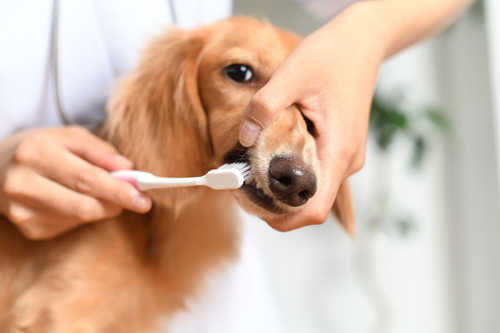
Brushing your dog’s teeth regularly with pet-safe toothpaste helps control plaque buildup. Additionally, dental chews, water additives, and special diets designed for oral health can help reduce bacteria and odor.
Routine Checkups
Scheduling regular wellness exams and dental evaluations at Taconic Veterinary Center allows your veterinarian to monitor changes in your dog’s mouth and catch early signs of disease.
When to Schedule an Appointment
If your dog’s breath smells bad despite a consistent routine or worsens suddenly, it’s time for a professional assessment. Other signs that warrant a dental visit include:
- Difficulty eating or chewing
- Pawing at the mouth
- Drooling excessively
- Visible tartar or red gums
- Behavioral changes like irritability
Your veterinarian will determine whether the cause of bad breath in dogs is dental or related to another health issue.
Fresh Breath Starts with Expert Veterinary Care
Bad breath in dogs might seem like a minor annoyance, but it often points to bigger health concerns that deserve attention. Regular dental checkups, cleanings, and preventive care make a major difference in your pet’s comfort and well-being. At Taconic Veterinary Center in Cortlandt Manor, NY, we’re committed to providing compassionate, high-quality dental care to keep your dog’s mouth clean and healthy. If your pet’s breath has you turning away, it’s time to get to the source. Call (914) 737-2437 or book an appointment online to schedule your dog’s dental exam today and help them get back to giving fresh, healthy kisses.