
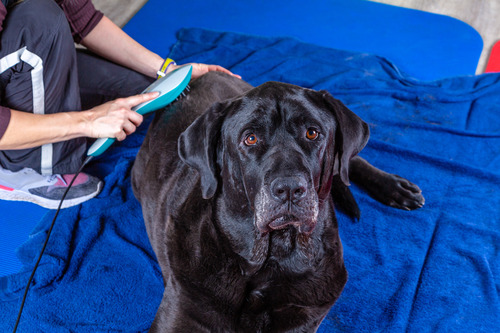
If you’ve noticed your dog slowing down, struggling to get up, or hesitating to climb stairs, arthritis could be the reason. Arthritis in dogs is a common condition that affects the joints, leading to stiffness, pain, and reduced mobility. Early detection and professional arthritis care for dogs can make a major difference in their comfort and quality of life. At Taconic Veterinary Center in Cortlandt Manor, NY, our team provides advanced diagnostics and personalized treatment options to help dogs stay active, mobile, and happy for as long as possible.
What Is Arthritis in Dogs?
Arthritis, also known as osteoarthritis or degenerative joint disease, is a progressive condition that causes inflammation and deterioration in a dog’s joints. Over time, the protective cartilage between bones wears down, allowing bones to rub together, which leads to pain, stiffness, and reduced range of motion. Arthritis care for dogs focuses on managing inflammation, supporting joint health, and improving mobility to help them maintain an active lifestyle.
While arthritis is often associated with older dogs, it can develop in younger pets, too. Genetics, injury, obesity, and certain developmental conditions like hip or elbow dysplasia can increase a dog’s risk. Because arthritis develops gradually, pet owners often notice subtle changes at first that become more noticeable over time.
Recognizing the Signs of Arthritis in Dogs
Detecting arthritis early is key to effective management. Dogs are skilled at hiding discomfort, so changes in their daily behavior may be your first clue that something isn’t right.
Common Signs of Arthritis Include:
- Stiffness or limping, especially after rest or exercise
- Reluctance to climb stairs, jump, or get into the car
- Trouble getting up or lying down
- Decreased interest in play or walks
- Irritability when touched near affected joints
- Licking or chewing at specific areas of the body
These signs can vary from mild to severe. If you’ve noticed one or more of these behaviors, it’s important to schedule a veterinary exam at Taconic Veterinary Center for a full evaluation. Our team can determine whether arthritis is the cause and recommend the best arthritis care for dogs based on your pet’s needs.
What Causes Arthritis in Dogs?
Arthritis can develop from several factors, many of which interact over time. Understanding what contributes to joint problems can help you better support your pet’s long-term health.
Age and Wear-and-Tear
As dogs age, their joints experience natural wear and tear from years of movement. The cartilage that cushions the bones gradually thins out, leading to inflammation and discomfort.
Genetics and Breed
Some breeds are more prone to joint problems, including Labradors, Golden Retrievers, German Shepherds, and large or giant breeds. Genetic conditions such as hip or elbow dysplasia can also lead to early joint degeneration.
Weight and Nutrition
Excess weight puts additional stress on joints, accelerating cartilage breakdown. Balanced nutrition is essential for managing weight and supporting joint health, both important parts of arthritis care for dogs.
Previous Injuries
Dogs that have suffered ligament injuries or fractures are more likely to develop arthritis in the affected joints as they heal. Even small injuries can trigger long-term inflammation if not properly managed.
Diagnosing Arthritis in Dogs
Diagnosing arthritis begins with a detailed physical exam and review of your dog’s history. Your veterinarian will check for joint pain, stiffness, or reduced mobility.
Diagnostic Tools for Accurate Assessment
- X-rays: These reveal changes in bone structure and joint alignment.
- Advanced Imaging (CT or MRI): In some cases, advanced imaging provides a clearer view of soft tissue and cartilage health.
- Joint Fluid Analysis: Helps rule out infections or autoimmune conditions that mimic arthritis.
A professional diagnosis ensures your dog receives the right treatment plan. At Taconic Veterinary Center, we use these tools to identify the extent of the disease and tailor arthritis care for dogs to each individual.
Veterinary Options for Managing Arthritis
While arthritis can’t be cured, proper management can significantly improve comfort and mobility. Veterinary treatment focuses on reducing inflammation, maintaining joint function, and supporting long-term health.
Medication and Veterinary Therapies
Veterinarians may recommend anti-inflammatory medications or other treatments to manage discomfort and promote mobility. These therapies are part of a customized arthritis care for dogs plan designed to improve quality of life safely and effectively.
Nutritional Support
Certain diets and veterinary-prescribed joint supplements can help support cartilage health and reduce inflammation. Omega-3 fatty acids, glucosamine, and chondroitin are common components used to aid joint wellness.
Therapeutic Modalities
Professional treatments such as dog laser therapy, acupuncture, or physical rehabilitation can complement medical management. These options support blood flow, flexibility, and tissue healing, which are essential for dogs with arthritis.
Lifestyle Adjustments That Support Arthritis Management
Small changes at home can go a long way toward improving your dog’s comfort and mobility. These adjustments work best when combined with professional arthritis care for dogs.
Exercise and Activity Modification
Low-impact exercise like gentle walks or swimming can strengthen muscles and support joint stability. Avoid activities that involve excessive jumping or running on hard surfaces, as these can worsen joint strain.
Comfortable Living Spaces
Provide soft, supportive bedding in warm, draft-free areas. Non-slip rugs or mats can help prevent slipping on hard floors, reducing the risk of falls or injuries.
Temperature Control
Cold weather can aggravate joint stiffness. Keeping your dog warm indoors during winter months and providing a comfortable resting area can make a noticeable difference.
Weight Management
Maintaining a healthy weight reduces stress on joints and slows arthritis progression. Your veterinarian can help design a diet plan that supports both joint health and ideal body condition.
How You Can Prevent Arthritis in Dogs
While not every case of arthritis can be prevented, proactive care can reduce risk and delay onset.
- Early Wellness Care: Regular veterinary checkups allow for early detection of joint issues before they worsen. Annual exams also provide opportunities to discuss your pet’s mobility, diet, and exercise habits.
- Joint-Supportive Nutrition: Feeding a balanced diet with essential fatty acids and joint supplements helps protect cartilage and maintain flexibility over time.
- Monitoring Weight and Activity: Consistent weight management and age-appropriate exercise are vital parts of long-term arthritis care for dogs. Dogs that maintain lean body condition often experience fewer joint issues and greater mobility as they age.
How Taconic Veterinary Center Supports Arthritis Care for Dogs
At Taconic Veterinary Center, our veterinarians combine expertise with compassion to help dogs live more comfortable, active lives. We take the time to understand your dog’s history, mobility, and daily routine so we can design a treatment plan that fits their specific needs. Our approach to arthritis care for dogs includes:
- Comprehensive orthopedic evaluations
- Diagnostic imaging and laboratory testing
- Veterinary-prescribed therapies for joint support
- Nutritional and weight management plans
- Guidance for at-home adjustments to improve mobility
Our goal is to enhance your dog’s comfort and give you the knowledge to support them every step of the way.
Helping Your Dog Stay Comfortable and Active
Watching your dog slow down can be difficult, but you don’t have to face it alone. With expert arthritis care for dogs, many pets can enjoy an active, comfortable life well into their senior years. Our veterinarians at Taconic Veterinary Center in Cortlandt Manor are here to help assess your dog’s mobility and design a plan that supports long-term joint health. If you’ve noticed your dog showing signs of stiffness or slowing down, call (914) 737-2437 or book an appointment online today. Together, we’ll help your dog move with ease and enjoy every stage of life.